We treat what others miss
Many of our patients have seen multiple providers without resolution. Our specialists take the time to identify the true source of your pain — then build a precise, individualized plan to address it.

SI Joint Pain
The sacroiliac joint is responsible for a significant share of chronic lower back pain — and is frequently misdiagnosed. Our specialists confirm the pain source before treating it.
Common symptoms
- Sharp lower back, hip, or buttock pain — often one-sided
- Pain that worsens with sitting, standing, or climbing stairs
- Stiffness, burning, or a sensation of uneven leg lengths
- Pain that improves temporarily with rest or position changes

Sciatica
Sciatica is compression or irritation of the sciatic nerve, producing radiating pain, numbness, or weakness from the lower back through the leg.
Common symptoms
- Sharp, burning, or electric-shock pain radiating down one leg
- Tingling or numbness in the leg, foot, or toes
- Muscle weakness in the affected leg or foot
- Pain that worsens with sitting, standing, or coughing
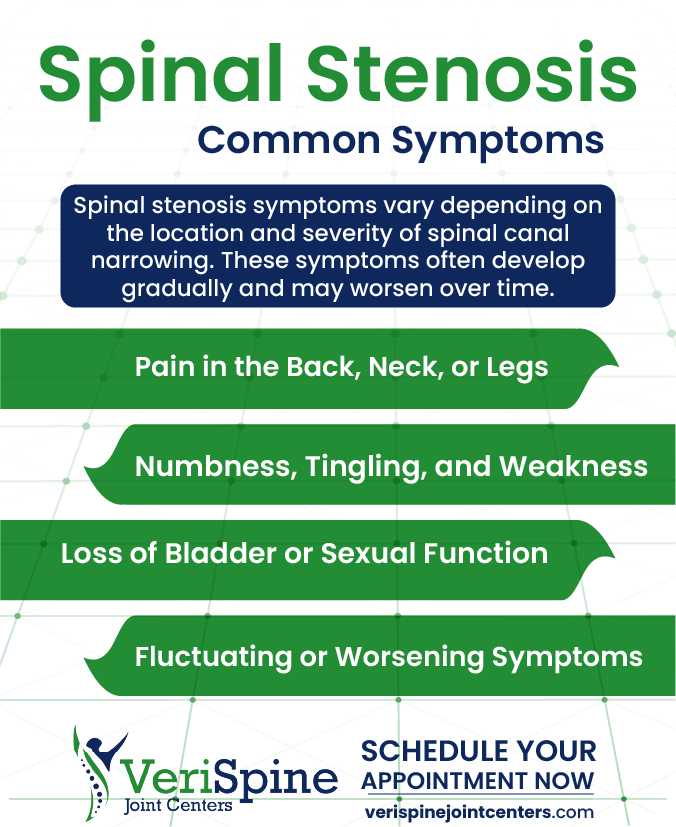
Spinal Stenosis
Spinal stenosis is a narrowing of the spinal canal that compresses nerves — causing pain, cramping, and weakness in the back and legs.
Common symptoms
- Back or neck pain that worsens with standing or walking
- Leg cramping, heaviness, or weakness with activity
- Numbness or tingling in the legs, feet, or arms
- Relief when bending forward, sitting, or leaning on a cart

Back Pain
Back pain has many causes, from muscle strain to disc and joint problems. The right treatment starts with an accurate diagnosis.
Common symptoms
- Persistent or recurring low or mid-back pain
- Stiffness that limits bending, twisting, or standing
- Muscle spasms in the lower back
- Pain that radiates into the buttock, hip, or leg

Neck Pain
Chronic neck pain is often caused by disc problems, facet joint arthritis, or muscle dysfunction — and is treatable without surgery in most cases.
Common symptoms
- Persistent stiffness or aching in the neck
- Headaches that originate at the base of the skull
- Sharp or shooting pain into the shoulder, arm, or hand
- Numbness, tingling, or weakness in the arm
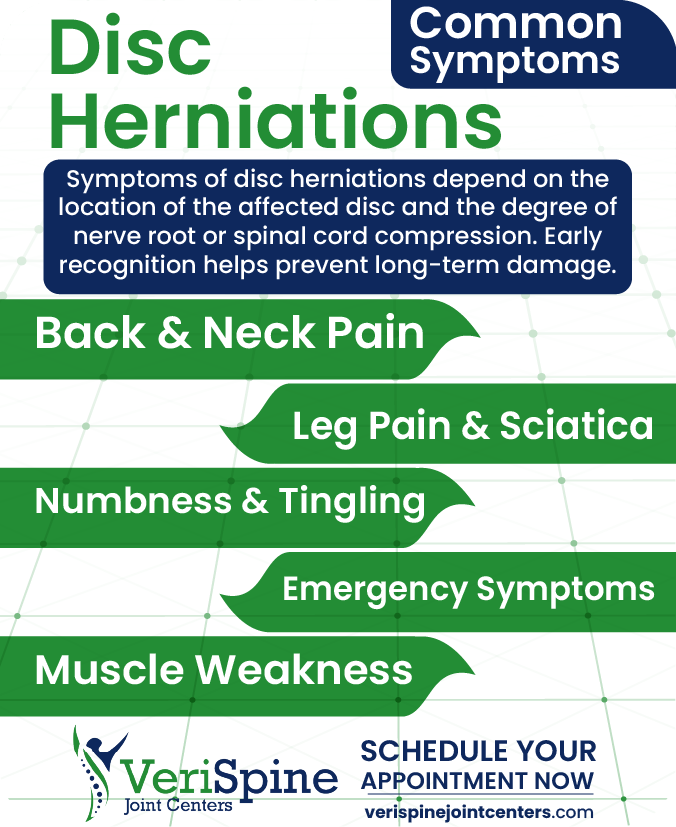
Herniated Disc
A herniated disc occurs when the inner material of a spinal disc pushes through its outer layer and presses on a nerve — causing pain, numbness, or weakness.
Common symptoms
- Sharp, burning back or neck pain — often worse with movement
- Radiating pain into the arm, leg, or foot
- Numbness or tingling in the extremities
- Muscle weakness in the affected limb
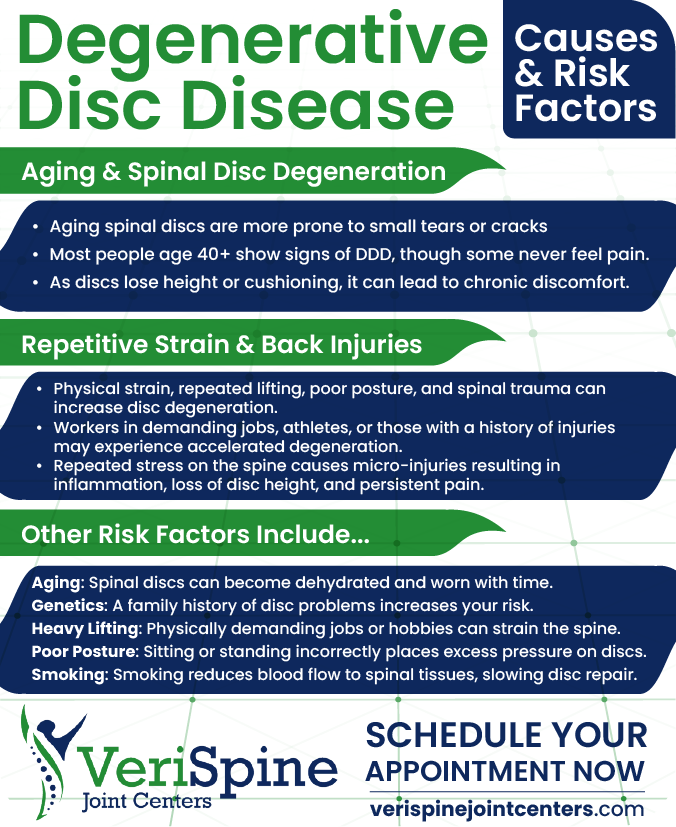
Degenerative Disc Disease
Degenerative disc disease is the gradual breakdown of the spinal discs — causing chronic pain, stiffness, and sometimes nerve compression.
Common symptoms
- Chronic low back or neck pain that comes and goes
- Pain that improves with movement and worsens with prolonged sitting
- Radiating pain into the arms or legs
- Stiffness after rest or in the morning
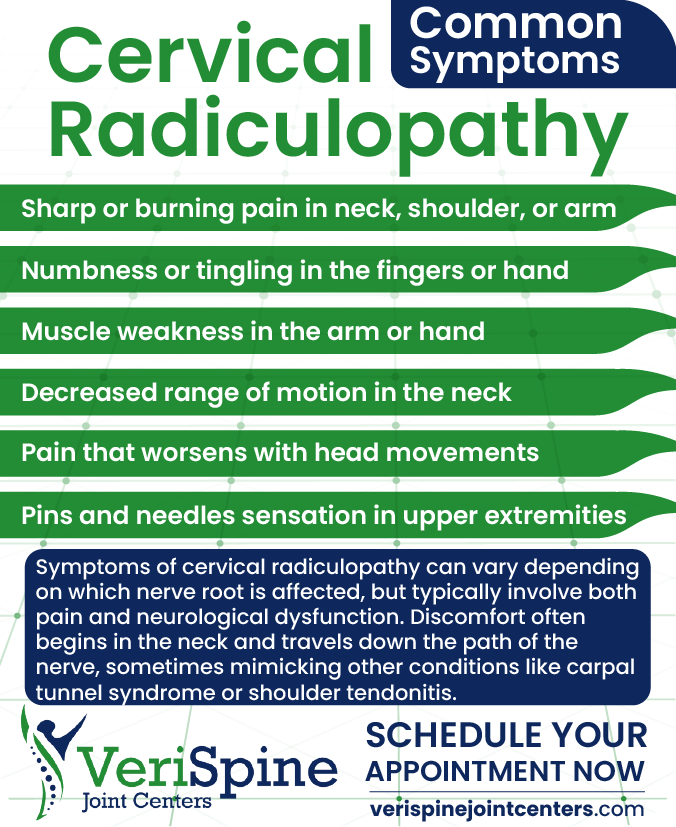
Cervical Radiculopathy
Cervical radiculopathy occurs when a nerve in the neck is compressed or inflamed — causing pain, numbness, or weakness radiating into the arm or hand.
Common symptoms
- Radiating pain from the neck into the shoulder, arm, or hand
- Tingling or numbness in specific fingers
- Weakness in the arm, hand, or grip
- Pain that worsens with turning or tilting the head
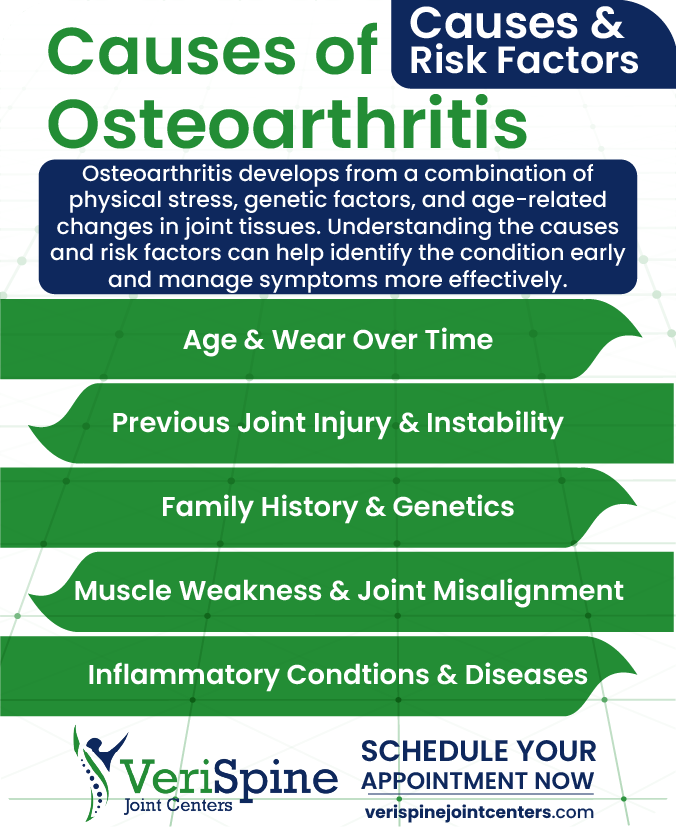
Osteoarthritis
Osteoarthritis is the gradual wearing down of joint cartilage, causing pain, stiffness, and reduced range of motion in affected joints.
Common symptoms
- Joint pain that worsens with activity and improves with rest
- Stiffness, especially in the morning or after sitting
- Limited joint range of motion
- Swelling, tenderness, or warmth around the joint
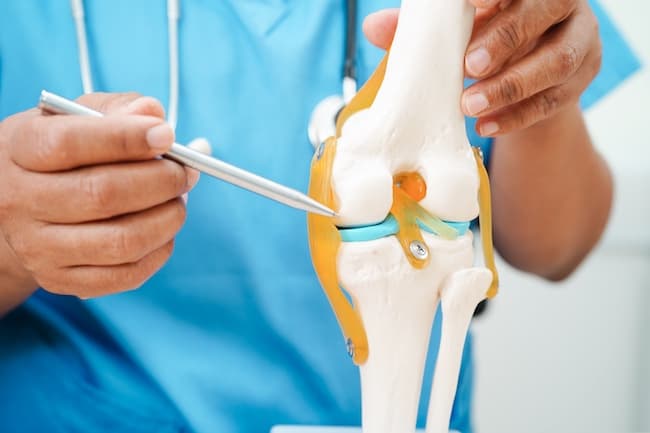
Arthritis
Arthritis is inflammation and degeneration of one or more joints — causing pain, stiffness, and reduced mobility. It is a treatable condition.
Common symptoms
- Joint pain ranging from dull aching to sharp discomfort
- Stiffness, especially after rest or in the morning
- Swelling, warmth, or tenderness around joints
- Reduced range of motion

Joint Pain
Persistent joint pain can come from arthritis, injury, or chronic inflammation. The right diagnosis opens the door to targeted treatment.
Common symptoms
- Stiffness, swelling, or limited range of motion in a joint
- Pain that worsens with activity or weather changes
- Warmth or tenderness around the joint
- A grinding, popping, or clicking sensation

Headaches
Chronic headaches — tension, migraine, cluster, and cervicogenic — are often treatable with targeted, non-surgical care.
Common symptoms
- Persistent or recurring head pain
- Throbbing, pressure, or band-like pain
- Sensitivity to light, sound, or smells
- Nausea with severe headache episodes

Shoulder, Hip & Knee Pain
Pain in the shoulder, hip, or knee can come from arthritis, soft-tissue injury, or chronic inflammation. Most cases improve with targeted non-surgical care.
Common symptoms
- Aching, sharp, or grinding joint pain
- Stiffness, swelling, or warmth around the joint
- Pain with stairs, getting up from a chair, or reaching overhead
- Instability or a feeling that the joint may give way
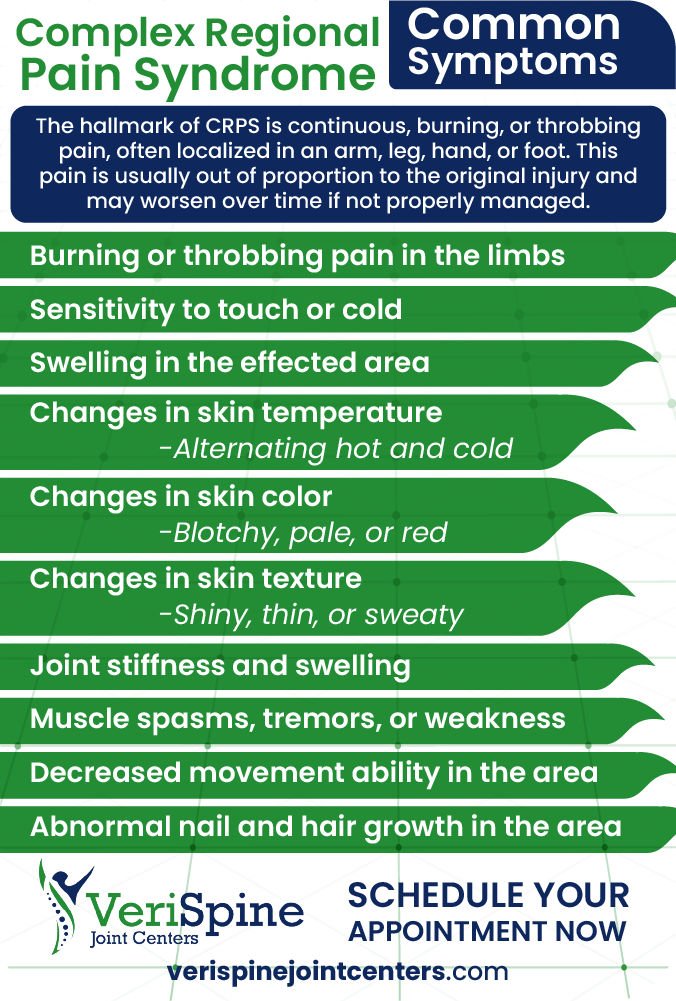
Complex Regional Pain Syndrome
CRPS is a chronic pain condition that typically follows an injury or surgery — producing severe burning pain, swelling, and skin changes in the affected limb.
Common symptoms
- Continuous burning or throbbing pain in a limb
- Sensitivity to touch, temperature, or pressure (allodynia)
- Swelling and changes in skin color or temperature
- Changes in hair, nail growth, or skin texture
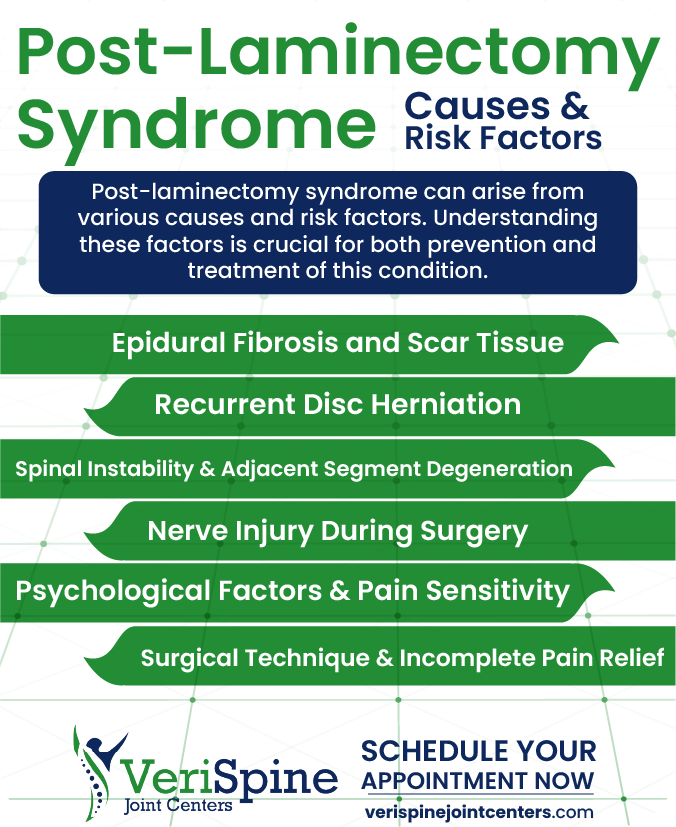
Post-Laminectomy Syndrome
Persistent pain after spine surgery — known as failed back surgery syndrome — is treatable with targeted, non-surgical care.
Common symptoms
- Persistent lower back pain after surgery
- Burning or tingling nerve pain (neuropathic pain)
- Pain that returns after initial post-surgical relief
- Reduced range of motion and spine stiffness
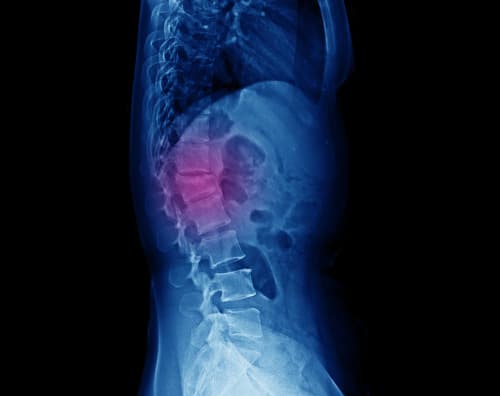
Vertebral Compression Fractures
Vertebral compression fractures are small breaks in the spine — often related to osteoporosis. Minimally invasive treatments restore comfort and stability.
Common symptoms
- Sudden or worsening back pain — often after a minor event
- Pain that worsens with standing or walking
- Loss of height or stooped posture over time
- Limited spinal mobility
Functional Limitations
When chronic pain limits work, daily activity, or independence, treatment focuses on restoring function — not just relieving symptoms.
Common symptoms
- Difficulty sitting, standing, or walking for normal periods
- Inability to lift, carry, or perform job duties
- Disrupted sleep from pain or stiffness
- Limits on hobbies, exercise, or social activity
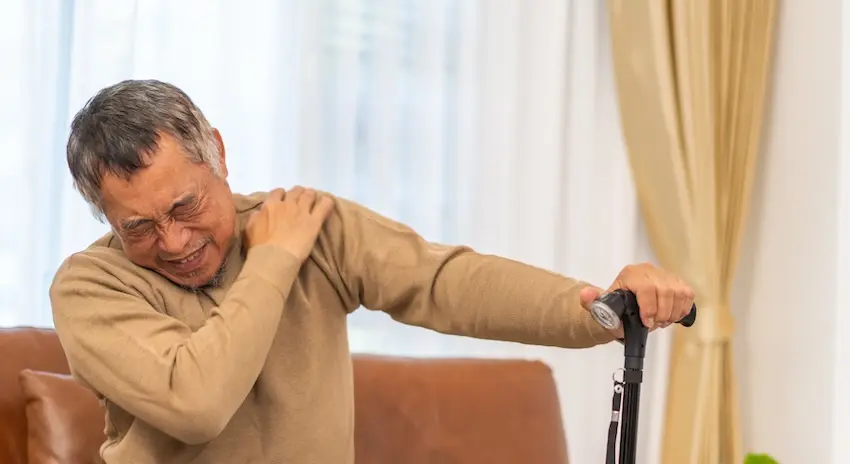
Tightness and Discomfort
Chronic muscle tightness and joint stiffness can signal an underlying spine, joint, or soft-tissue issue worth evaluating.
Common symptoms
- Chronic muscle tightness and trigger points
- Joint stiffness, especially after rest
- Restricted range of motion
- Sleep disruption and daytime fatigue
Diagnosis before treatment — always
We don't guess. Before any treatment, our physicians review your imaging, perform a thorough physical exam, and often use diagnostic injections to precisely confirm the pain source. This ensures you receive the right treatment — not just the most common one.
Detailed history review
MRI & imaging review
Physical examination
Diagnostic injections
Not sure what's causing your pain?
Request a consultation and our specialists will find the source — and a solution.