Osteoarthritis
Osteoarthritis is the most common form of joint disease, occurring when cartilage that cushions the joints wears down over time — leading to pain, stiffness, and reduced mobility.
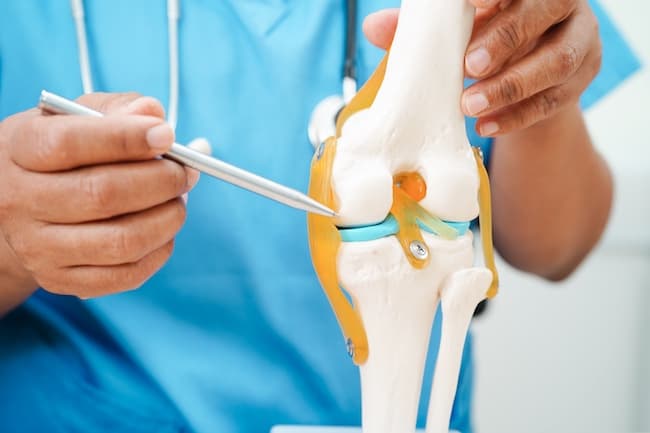
About Osteoarthritis
Osteoarthritis (OA) is the most common form of joint disease, affecting millions of adults. It develops when the smooth cartilage covering the ends of bones wears down — allowing bone-on-bone friction, inflammation, and the formation of bone spurs.
OA most commonly affects the knees, hips, hands, and spine. While the changes are not reversible, the symptoms are often very treatable — and timely care can preserve function and slow progression.
Common symptoms
- Joint pain that worsens with activity and improves with rest
- Stiffness, especially in the morning or after sitting
- Limited joint range of motion
- Swelling, tenderness, or warmth around the joint
- Grinding sensation or visible bone spurs
What causes osteoarthritis
Age-related wear and tear on cartilage
Previous joint injury or instability
Obesity and excess load on weight-bearing joints
Family history and genetics
Muscle weakness or joint misalignment
How we treat osteoarthritis
Joint injections
01Corticosteroid or hyaluronic acid injections to reduce inflammation and improve joint comfort.
Learn moreRegenerative medicine
02PRP and stem cell therapy to support cartilage and soft tissues — often used to delay or avoid joint replacement.
Learn moreRadiofrequency ablation
03Targeted nerve treatment for chronic knee, hip, or facet-related arthritic pain.
Learn morePhysical therapy
04Strengthening, low-impact conditioning, and gait training to stabilize affected joints.
Learn moreWhen to see a specialist
See a specialist when joint pain limits daily activity, when stiffness or swelling persists, or when conservative care like NSAIDs and home exercise no longer keeps you comfortable.
Book Free ConsultationAll common symptoms
- Joint pain that worsens with activity and improves with rest
- Stiffness, especially in the morning or after sitting
- Limited joint range of motion
- Swelling, tenderness, or warmth around the joint
- Grinding sensation or visible bone spurs
Get expert care for osteoarthritis
Request a consultation and our specialists will identify the source of your pain and build a treatment plan around it.