PRP Therapy
Platelet-rich plasma therapy concentrates your body's natural growth factors and delivers them precisely where healing is needed — stimulating tissue repair without surgery.
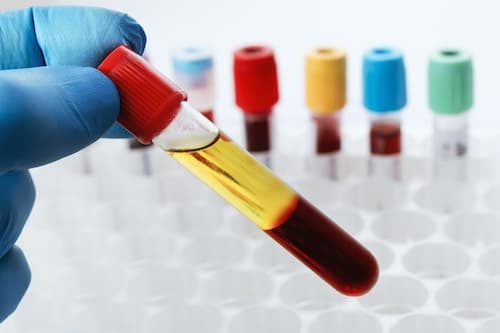
What is PRP Therapy?
PRP (Platelet-Rich Plasma) therapy uses a concentrated preparation of your own platelets to accelerate the healing of injured tendons, ligaments, muscles, and joints. The procedure is minimally invasive, uses your own blood, and carries minimal risk of adverse reaction.
Conditions treated
- Chronic tendon injuries
- Knee osteoarthritis
- Hip pain
- Shoulder pain and rotator cuff tears
- Plantar fasciitis
- Spine and disc conditions
The VeriSpine difference
Your own biology
PRP is derived from your own blood — no foreign substances, minimal allergy risk, and natural compatibility with your tissue.
Stimulates real repair
Growth factors in PRP trigger cellular regeneration, collagen production, and new blood vessel formation in damaged tissue.
Outpatient procedure
The entire process takes about 60–90 minutes. Blood draw, centrifugation, and injection — all in one visit.
Can delay or avoid surgery
Many patients use PRP to manage conditions like knee osteoarthritis long-term, delaying or avoiding joint replacement.
The treatment process
Blood draw
A small sample of your blood (30–60 mL) is drawn from your arm, just like a standard lab draw.
Centrifugation
Your blood is spun in a centrifuge to separate and concentrate the platelet-rich plasma layer — typically 5–10x the normal platelet concentration.
Guided injection
Using ultrasound or fluoroscopic guidance, your physician injects the PRP directly into the target area for maximum precision.
Recovery & follow-up
Some soreness is expected for 3–5 days post-injection. Most patients begin noticing improvement at 4–6 weeks, with continued gains over 3–6 months.
FAQs about PRP Therapy
Have a question not answered here? Our team is happy to help.
Book Free ConsultationHow many PRP injections will I need?
Most protocols involve 1–3 injections spaced 4–6 weeks apart. The number depends on the condition being treated and your individual response.
Is PRP therapy painful?
The injection itself may cause some pressure or mild discomfort. A local anesthetic is applied to the skin beforehand. Post-injection soreness typically peaks at 24–48 hours and subsides within a week.
Is PRP covered by insurance?
PRP is considered an elective/regenerative procedure and is not typically covered by most insurance plans. We offer transparent pricing and flexible payment options.
Who is a good candidate for PRP?
PRP works best for patients with early-to-moderate joint degeneration, chronic tendon conditions, or those who have not responded to traditional treatments like cortisone injections or physical therapy.
Ready to explore PRP Therapy?
Request a consultation and our team will help determine if this treatment is right for you.